

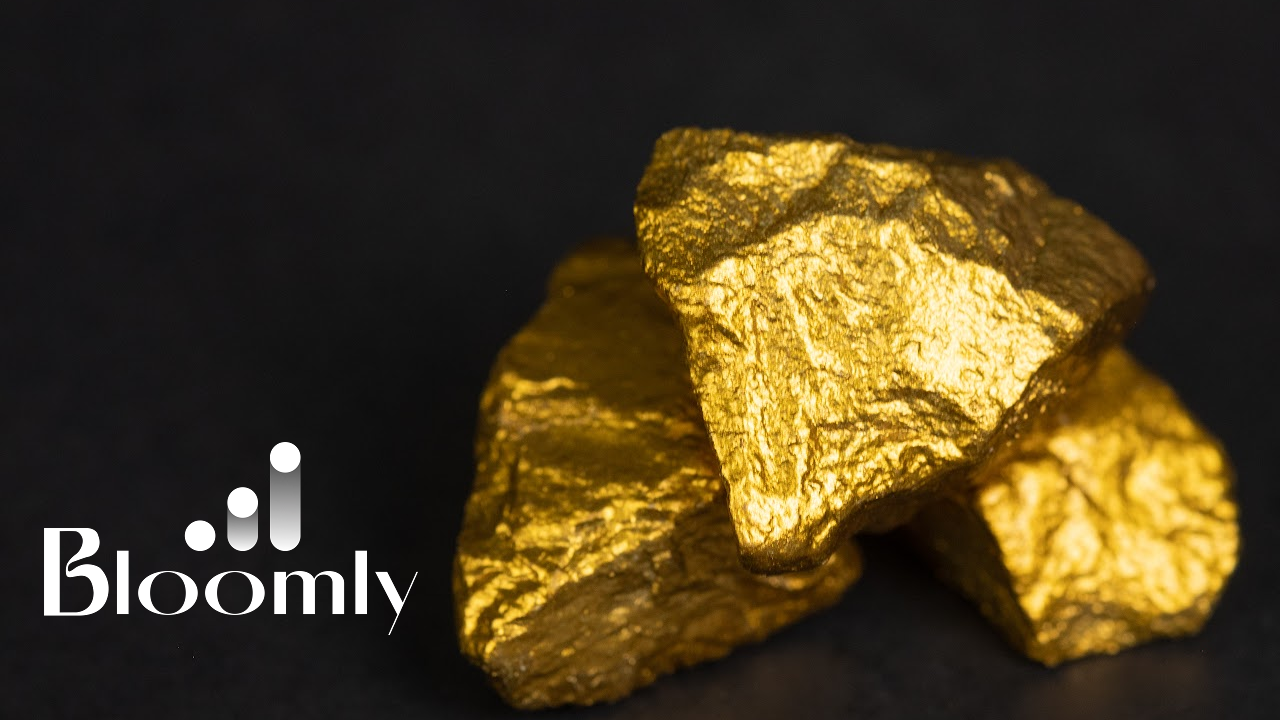
Tokenized commodities represent a revolutionary leap in asset ownership, transforming tangible resources like energy, agriculture, and precious metals into digital tokens on the blockchain. By offering efficiency, divisibility, and liquidity, tokenization is reshaping the traditional structure of commodity trading.
What Are Tokenized Commodities?
Tokenized commodities are digital representations of real-world assets. Through a process known as “tokenization,” ownership rights are converted into cryptographic tokens. Each token represents a fraction or entirety of the underlying commodity. This transformation offers efficiency, divisibility, and liquidity, allowing a broader spectrum of investors to access and trade these assets seamlessly.
How Do Tokenized Commodities Work?
1. Issuance:
Assets are divided into digital tokens via specialized tokenization platforms or exchanges. This enables investors to purchase smaller units, thereby lowering entry barriers.
2. Storage & Custody:
Custodial services or smart contracts ensure secure storage and management of the underlying assets, providing tokenholders with assurance of authenticity and security.
3. Trading:
Decentralized trading facilitated by smart contracts on blockchain networks promotes global liquidity and accessibility, providing a transparent and efficient marketplace.
4. Redemption:
Tokenholders can exchange their tokens for physical goods, ensuring transparency and flexibility. This redemption process is facilitated by issuers or smart contracts.
Types of Tokenized Commodities
- Precious Metals:
Gold, silver, and platinum can be tokenized, allowing investors fractional ownership without the hassles of physical storage. Tokenized precious metals are accessible, fostering portfolio diversification. - Energy Resources:
Oil, natural gas, and renewable energy certificates offer investors exposure to the volatile energy market. Tokenization removes logistical barriers in the global energy sector. - Agricultural Products:
Commodities like soybeans, wheat, and coffee enhance investor portfolios with exposure to agriculture. Tokenized agricultural products utilize blockchain efficiency for diversification and inflation hedging. - Real Estate:
Tokenized real estate introduces fractional ownership and liquidity to the property market. Investors can acquire profitable real estate assets with minimal outlay, broadening investment opportunities.
Commodity-Backed Cryptocurrencies
Commodity-backed cryptocurrencies are digital assets pegged to tangible commodities like gold or oil, providing greater stability compared to traditional cryptocurrencies. Examples include Tether Gold (XAUT), Paxos Gold (PAXG), and OilCoin (OIL). However, it’s crucial to be aware of potential centralization risks and thoroughly investigate the underlying asset’s issuer.
Benefits of Tokenized Commodities
- Fractional Ownership:
Lower entry barriers by enabling investors to purchase smaller units. - Transparency:
Immutable blockchain records increase trust and transparency. - Real-Time Settlement:
Eliminates intermediaries, reducing costs and transaction times. - Global Accessibility:
Global trading, 24/7, from anywhere with an internet connection.
Challenges to Overcome
- Regulatory Compliance:
Navigating complex legal frameworks and implementing robust governance structures to ensure compliance. - Liquidity & Market Depth:
Building sufficient trust and market depth for large-scale transactions. - Standardization & Interoperability:
Ensuring seamless integration with existing financial infrastructure. - Cybersecurity Risks:
Implementing strong encryption and monitoring to protect digital assets.
Tokenization is reshaping commodity markets by offering new ways to invest and diversify. While challenges remain, the potential for transforming global asset ownership structures and trading practices is immense. As this technology matures, it will undoubtedly open new frontiers in asset ownership and trading.